
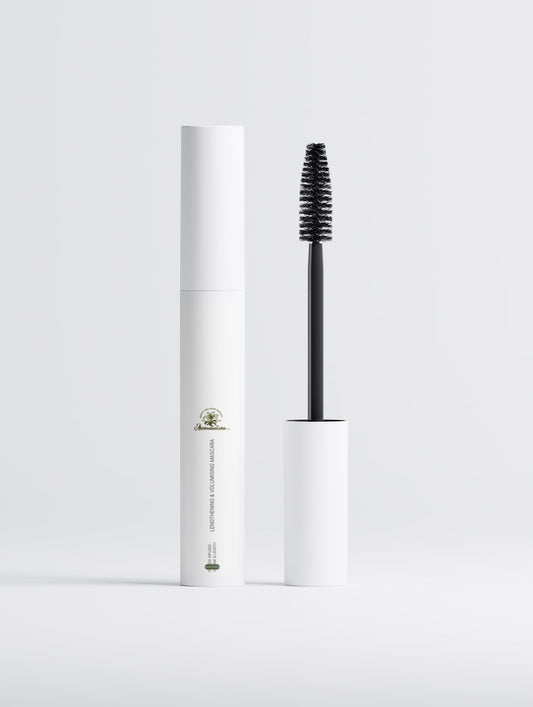


Is Organic Skincare Better Than Drugstore Options?
Last Updated: November 22, 2026
Quick Summary
Organic skincare is not automatically better than drugstore options; the right choice depends on your skin, budget, and how well you read an ingredient list. Drugstore formulas often have stronger published evidence behind their actives and are easier to repurchase, while organic formulas can suit dry and reactive skin.
- Compare cost per use by dividing price by expected applications, not by sticker price.
- Natural skincare products are not safer by default; patch test any new product first.
- Check that the certifier and standard, such as COSMOS Organic, are named on the label.
- For acne, look for named actives like salicylic acid or niacinamide rather than the word organic.
- Give a new routine four to six weeks before judging results.
Table of Contents
- Organic vs Drugstore Skincare: What Actually Differs
- The Disadvantages of Organic Skincare Products You Should Know
- Are Natural Skincare Products Safer? The Honest Answer
- How to Verify Certified Organic Skincare Before You Buy
- Matching Organic Skincare to Your Skin Concern
- Building a Simple Organic Skincare Routine
- Choosing Your First Organic Skincare Products
- Frequently Asked Questions
Organic vs Drugstore Skincare: What Actually Differs
Is organic skincare better than drugstore? Not automatically, and that is the honest answer most guides avoid. The two categories overlap far more than the marketing suggests, and the right choice depends on your skin, your budget, and how well you read an ingredient list. Aromanatura, Inc. sells organic and COSMOS certified products, so the question deserves a careful look. Drugstore formulas win in some areas, as the comparison below shows.
The real difference sits in five places: formulation, evidence, availability, cost per use, and the claims on the label. Everything else is noise. Here is the direct comparison most guides skip.
| Dimension | Organic skincare | Drugstore skincare |
|---|---|---|
| Formulation base | Plant oils, aloe juice, naturally derived emulsifiers; often richer textures | Water, silicones, synthetic humectants and preservatives; often lighter textures |
| Preservative system | Naturally derived preservatives; shorter shelf life, more heat- and light-sensitive | Synthetic preservatives; longer shelf life, more stable in a bathroom cabinet |
| Evidence base | Ingredient-level evidence varies; fewer brand-funded clinical trials published | Active ingredients (niacinamide, salicylic acid, retinoids) often backed by published trials |
| Availability | Limited to specialist retailers and brand sites; harder to sample in person | Widely available in pharmacies and supermarkets; easy to repurchase |
| Cost per use | Higher sticker price, but concentrated formulas can last longer per application | Lower sticker price, but water-diluted lotions often need reapplying |
| Label claims | Certification bodies verify organic content and supply chain | Claims regulated for safety and efficacy, but "natural" is loosely defined |
The Ingredient List: Plant-Based vs Synthetic
Plant-based and synthetic ingredients are not opposites, and neither label tells you whether a formula will suit your skin. A botanical extract can irritate; a lab-made humectant can be gentle and well tolerated.
What separates the categories in practice is the carrier and preservative system. Organic formulas tend to lean on plant oils, aloe juice, and naturally derived emulsifiers, which often suits dry and reactive skin. Drugstore formulas frequently use silicones and synthetic preservatives that feel lighter and last longer on a shelf.
Neither is superior on principle. Read the full ingredient list, not the front of the pack.
Cost Per Use and Value Over Time
Cost per use, not sticker price, is the number that matters. A larger drugstore bottle looks cheaper until you compare how many weeks each product actually lasts.
A simple way to compare: divide the price by the number of applications you expect from the pack. If budget drives your decision, our guide to budget-friendly clean skincare breaks down where affordable options hold up and where they fall short.
Where the Categories Overlap
The biggest misconception is that organic and drugstore are mutually exclusive. They are not. The useful question is not "organic or drugstore" but "does this specific formula contain the actives my skin needs, at a concentration and price I can sustain?"
The Disadvantages of Organic Skincare Products You Should Know
The disadvantages of organic skincare products are real, and pretending otherwise damages trust.
Then there is the irritation question. A product labelled organic is not automatically gentle.
Are Natural Skincare Products Safer? The Honest Answer
No. Natural skincare products are not safer by default, and the assumption causes more reactions than it prevents. Poison ivy is natural. So are many essential oils that irritate skin at full strength.
Safety comes from formulation, concentration, and how a product matches your skin, not from the word "natural" on the label. A well-made synthetic formula can be gentler than a poorly balanced botanical one.
Patch testing is a sensible habit for any new product. Apply a small amount behind the ear or on the inner forearm before using it on your face.
How to Verify Certified Organic Skincare Before You Buy
Certified organic skincare means an independent body has checked the formula against a published standard, not that the brand simply says so (🔎 ZOOM ON...// COSMOS - Natural and organic cosmetics). That distinction is the whole game.
A credible certification generally covers the share of organic ingredients and the standard it is measured against. Look for the certifier's name and standard on the pack, then check that the brand lists it publicly.
Use this checklist before you buy:
- The certifier is named on the label, not just the word "organic"
- The standard is stated, such as COSMOS Organic or COSMOS Natural
- The percentage of organic and natural-origin ingredients is published
- The full INCI ingredient list is visible before purchase
- The brand explains where its plant ingredients come from
Many Aromanatura, Inc. products carry COSMOS certification, and the organic percentage is listed on those product pages.
Matching Organic Skincare to Your Skin Concern
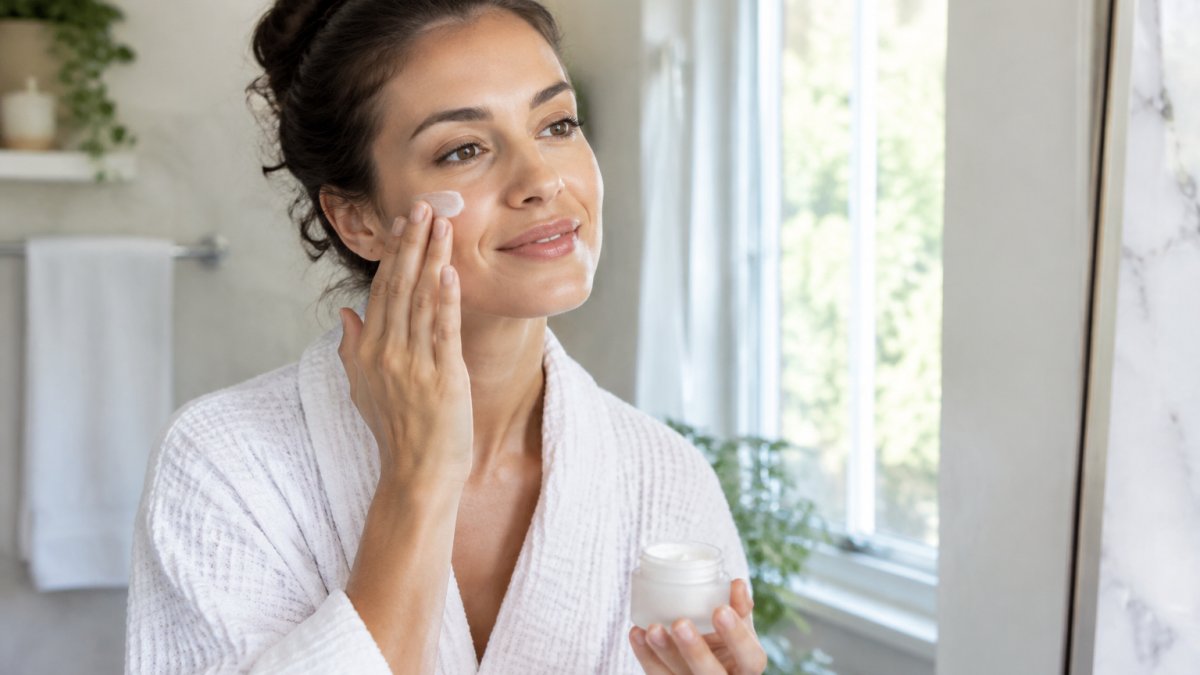
Matching a formula to your skin concern beats matching it to a marketing claim. The same organic cream can be ideal for one person and wrong for another. Outcomes depend on the active ingredients and the formulation, not on whether the product was bought in a pharmacy or a specialist retailer. Here is how the two channels compare concern by concern.
Acne-Prone Skin
Acne responds to actives, not to the word "organic." Salicylic acid, benzoyl peroxide, adapalene, and niacinamide are widely available in drugstore formulas at accessible concentrations.
Eczema-Prone and Reactive Skin
For eczema-prone skin, fragrance is the first thing to cut, and the second is a long ingredient list. "Organic" alone does not make a product gentle. Patch test first, and speak to a dermatologist if redness persists or worsens.
Dry and Dehydrated Skin
Dry skin lacks oil; dehydrated skin lacks water. They need different things, and treating one as the other wastes money. For dehydration, layer a humectant (glycerin, hyaluronic acid) under a cream. For true dryness, an oil-based step helps seal moisture in. Organic formulas often excel here because plant oils and butters are naturally occlusive; drugstore formulas win on lightweight humectant serums that layer easily. Our guide on building a routine for hydrated skin walks through the order of application.
Signs of Aging
Retinoids, vitamin C, and peptides are commonly associated with fine lines and texture. If you prefer an organic base, look for a formula that names the active and its percentage rather than relying on botanical extracts alone.
Sensitive Skin and Redness-Prone Complexions
For sensitive, redness-prone skin, fragrance is the first thing to cut. A fragrance-free formula removes one of the most common triggers before you apply anything. The fragrance-free sensitive skin moisturiser from Aromanatura, Inc. contains aloe vera juice, jojoba seed oil, and hyaluronic acid. Patch test first, and speak to a dermatologist if redness persists or worsens.
A Simple Decision Framework
Use this checklist to choose between an organic and a drugstore product for any concern:
- Does the formula name the active ingredient and its concentration?
- Is the product fragrance-free if your skin is reactive?
- Does the texture suit your skin type (gel for oily, cream or oil for dry)?
- Can you afford to repurchase it consistently for four to six weeks?
- Is the certifier named on the label if organic content matters to you?
If the answer is yes across the board, the retail channel is the least important variable.
Building a Simple Organic Skincare Routine
A simple organic skincare routine needs three steps, not ten. Cleanse, treat, and moisturise, done consistently, outperforms a crowded shelf used irregularly.
A practical order for most skin:
- Cleanse gently, morning and evening
- Apply a serum to damp skin
- Seal with a moisturiser
- Add SPF in the morning
Our organic facial care range is organised so you can pick one product per step without guesswork.
Choosing Your First Organic Skincare Products
Start with the product you will use every day, then expand. Most people get further with one excellent cleanser and one moisturiser than with a full set bought at once.
For a first purchase, match the texture to your skin. Oily skin does well with a gel serum; dry skin needs a richer cream or facial oil. If you are unsure, choose the gentler option.
You can browse the organic skin care collection to compare textures and pick a starting pair. One caution: give a new routine four to six weeks before judging results, since the skin barrier adjusts slowly.
The hardest part of switching is not finding organic products. It is knowing which two or three your skin actually needs. Aromanatura, Inc. keeps that decision small, with COSMOS certified formulas, fragrance-free options for sensitive skin, and published organic percentages on the certified listings. Get started with Aromanatura, Inc. and build a routine you will actually keep.
Frequently Asked Questions
Is organic skincare better than drugstore skincare?
Neither is universally better. Organic skincare often uses plant-based ingredients and may be certified, which appeals to those wanting transparency. Drugstore skincare can be effective and affordable, but may contain synthetic ingredients. The best choice depends on your skin type, sensitivities, and budget. If you have sensitive skin, look for fragrance-free, dermatologically tested options like Aromanatura's Sensitive Skin Moisturiser. If you're on a tight budget, drugstore products can work, but check labels for irritants. Ultimately, match the product to your skin's needs, not just the label.
Are natural skincare products safer for sensitive skin?
Not automatically. Natural ingredients like essential oils or botanical extracts can trigger allergic reactions or contact dermatitis. For sensitive skin, the priority is a short ingredient list, no fragrance, and dermatological testing. Aromanatura's Sensitive Skin Overnight Cream is fragrance-free and formulated to calm irritation. Always patch test new products, and consult a dermatologist if you have a damaged skin barrier or eczema.
What are the disadvantages of organic skincare products?
Organic skincare can have a shorter shelf life due to fewer preservatives, higher cost per ounce, and a greater risk of irritation from botanical ingredients. Certification is not universal, so claims can be vague. For example, many Aromanatura products are COSMOS certified, which verifies organic content, but you should still check for your specific skin concern. Weigh these drawbacks against the benefits of plant-based ingredients and transparency.
How can I tell if skincare is certified organic?
Look for third-party certification logos such as ECOCERT or COSMOS on the packaging. These certifications verify that a product contains a certain percentage of organic ingredients and meets environmental standards. For instance, Aromanatura's Sensitive Skin Oil-To-Milk Cleanser is COSMOS ORGANIC certified, with 39% organic content. Avoid products that use the word 'organic' without proof. You can also check the brand's website for certification details and ingredient sourcing. Always read the ingredient list to ensure active ingredients match your needs.
